Blog
Sourcing Furniture From Thailand: What Buyers Should Check First

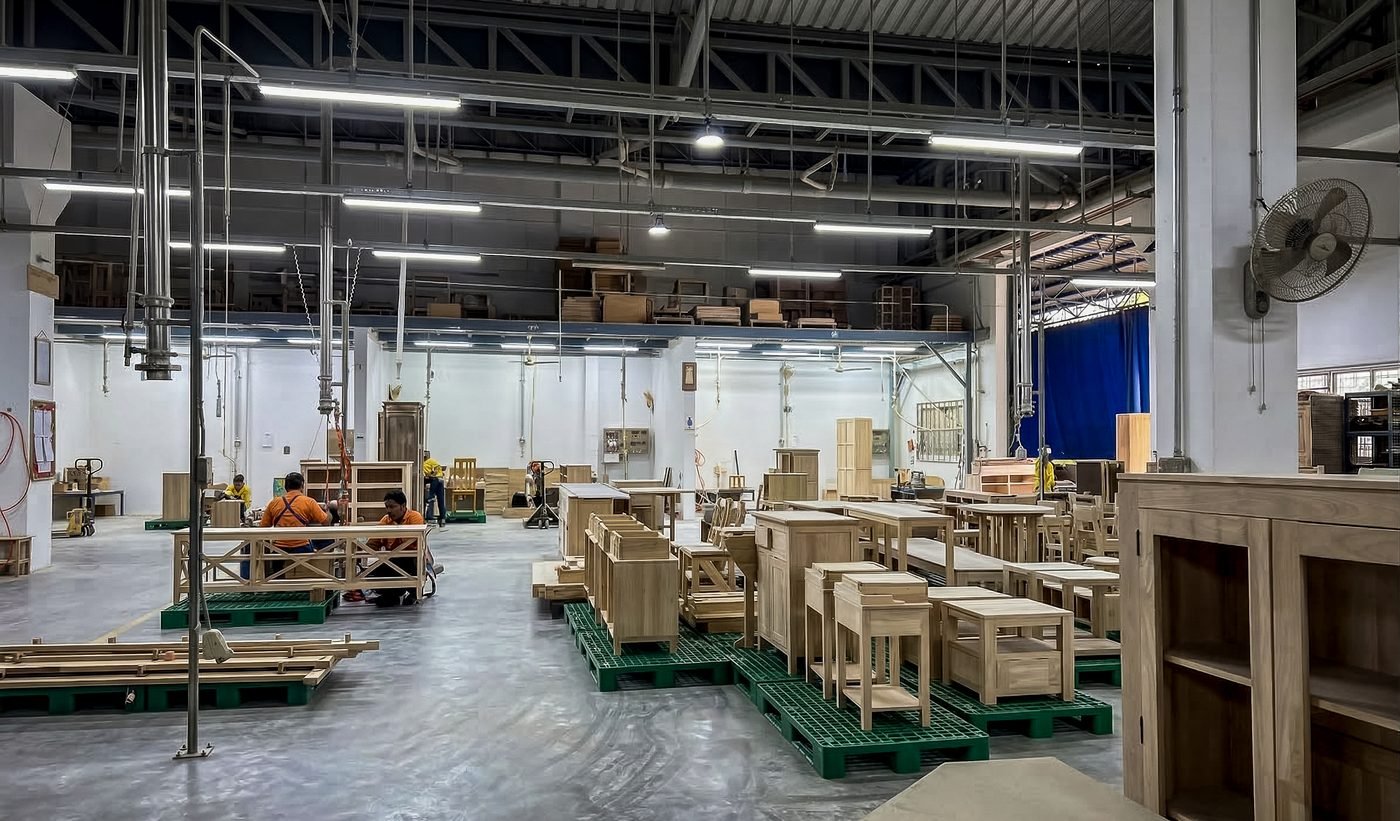
Most furniture buyers reach a point where relying on one production country stops feeling comfortable. A tariff change, a freight disruption or a single factory’s capacity ceiling turns into a season-wide problem, and the sensible answer is a second line built before it is needed rather than during a crisis. Thailand is one of the places that second line most often lands. It is worth understanding what the country genuinely does well — and where it does not — before you send a first enquiry.
What Thailand genuinely offers
A separate tariff position is the obvious one, and for US importers it is usually the reason the conversation starts. But a different country of origin is only useful if the factories there can actually build your programme.
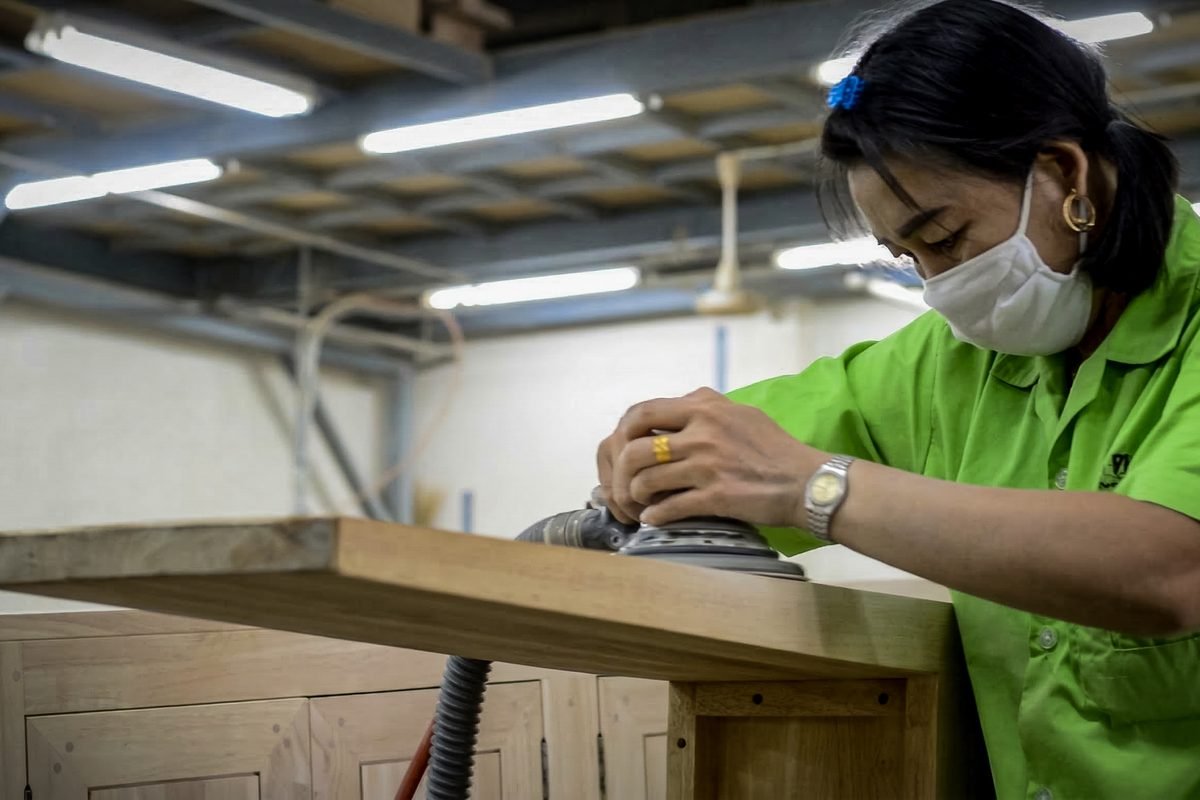
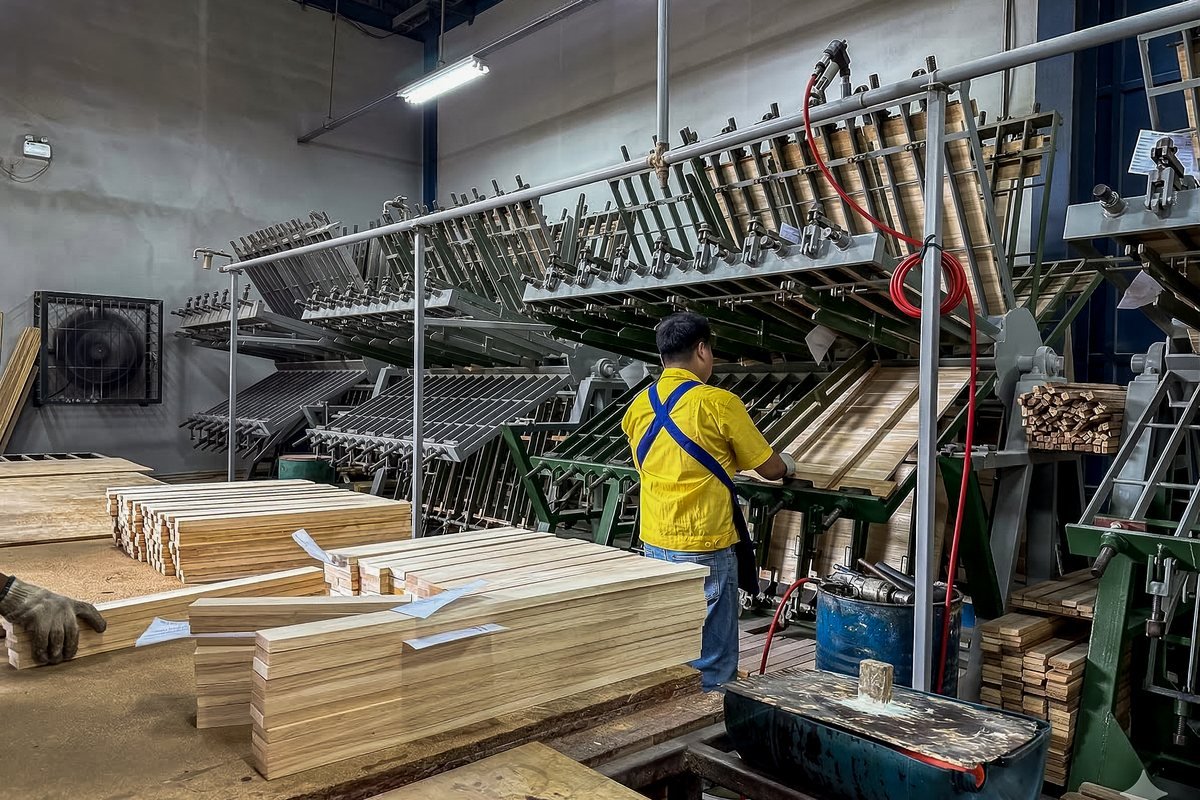
Thailand’s advantage is that its solid wood furniture industry is mature rather than improvised. Rubberwood processing grew alongside the rubber industry over decades, so the kiln capacity, the machining skills and the finishing trades already exist. You are not funding somebody’s learning curve.
The timber position helps too. Rubberwood and acacia are plantation-grown and domestically abundant, which means raw material is not being imported into the country before it is made into your furniture — a detail that matters for both cost stability and origin documentation under EUDR.
Where Thailand does not automatically win
Honest answer: on very large runs of low-cost, panel-based flat-pack, Thailand is not where the lowest unit price lives. The country competes on solid timber, on mid-volume flexibility, and on suppliers willing to take a bespoke programme without demanding container-loads per SKU. If your range is chipboard and volume, look elsewhere. If it is real wood and specification, this is the right conversation to be having.
Component ecosystems are narrower. If your design depends on unusual hardware or specialised metal parts, expect longer lead times or imported components. Ask about that early rather than discovering it at sampling.
Adding a supplier without doubling your costs
The mistake we see most often is treating a new sourcing country as a full duplicate of the existing one. It rarely needs to be. Buyers who do this well pick a defined slice — often the solid wood part of the range — and move that slice cleanly, keeping panel and upholstery programmes where they already are.
Start with catalogue pieces adapted to your specification rather than ground-up development. You learn how the factory communicates, how it handles a first-article approval, and how its QC behaves, on work where the design risk is already low.
Questions worth asking on the first call
- Are you the factory, or an agent placing my order elsewhere?
- What is your realistic minimum for a first trial order?
- Which standards have you already built to — CARB Phase 2, TSCA Title VI, ASTM F2057 tip-over?
- Which port do you load, and do you stuff containers at your own works?
Planet Furniture has been a direct manufacturer in Chonburi since 2000, exporting through Laem Chabang. Importing into Australia? Start with our guide to importing timber furniture from Thailand to Australia. Send us your drawings and we will tell you plainly whether your programme suits our line.