Blog
Inside a Rubberwood Order: From Kiln to Container

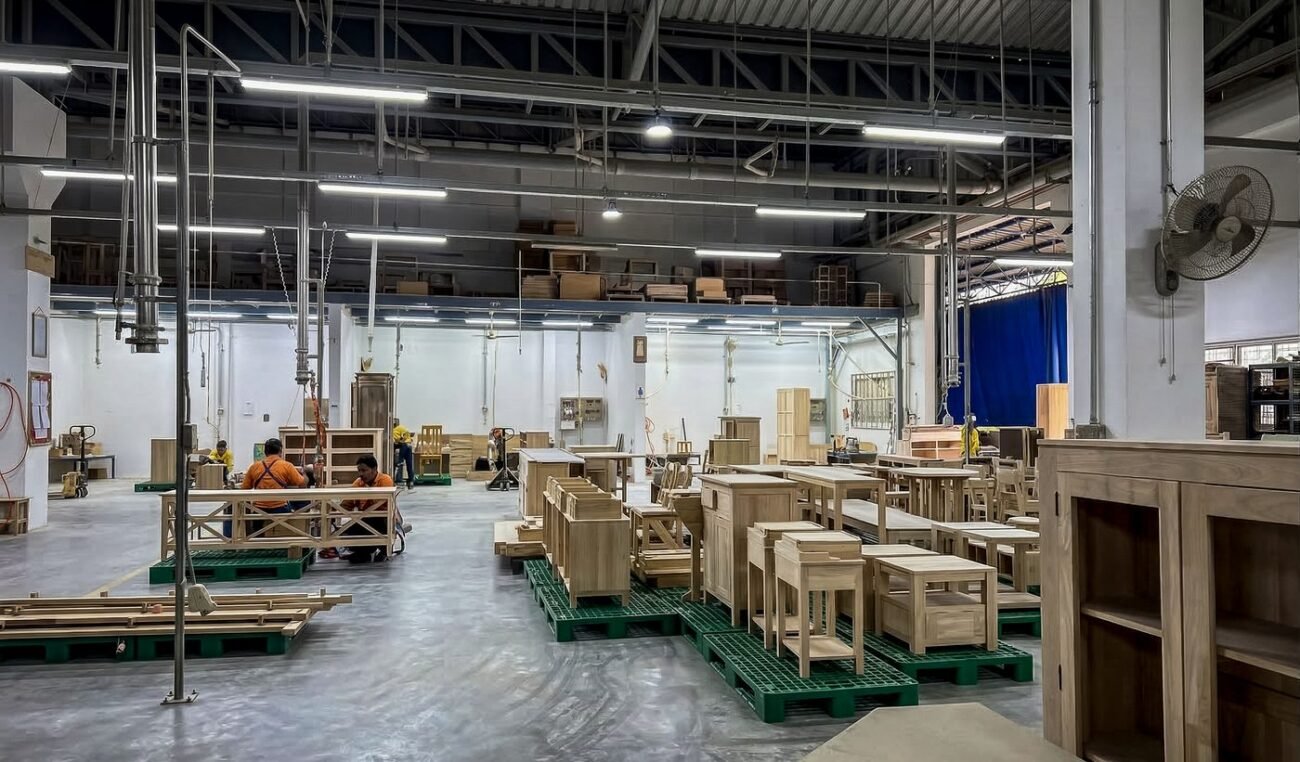
Buyers placing a first order with a factory they have not visited are really asking one question: what happens between the purchase order and the container? Here is the route an order takes through our works in Chonburi, and the points where things go wrong if nobody is watching.
1. Timber selection and kiln-drying
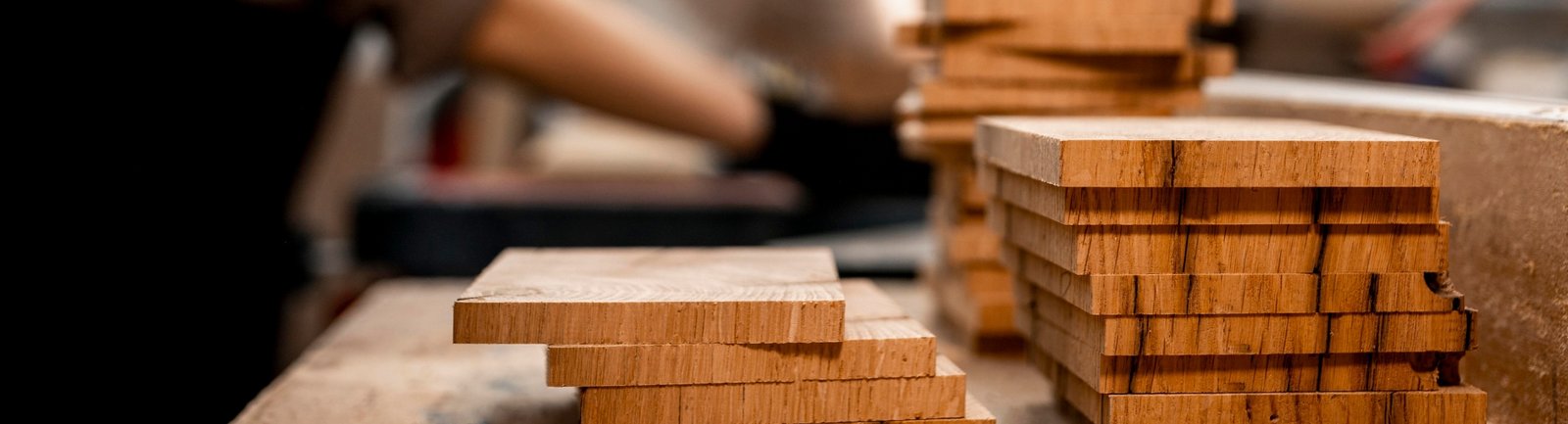
Boards arrive from the mill and are graded before anything else happens. They then go into the kilns and come out at 8–10% moisture content. This is the least glamorous stage and the one that decides whether your furniture is still flat a year from now. It cannot be compressed to save a week, and we will refuse to rush it.
2. Machining
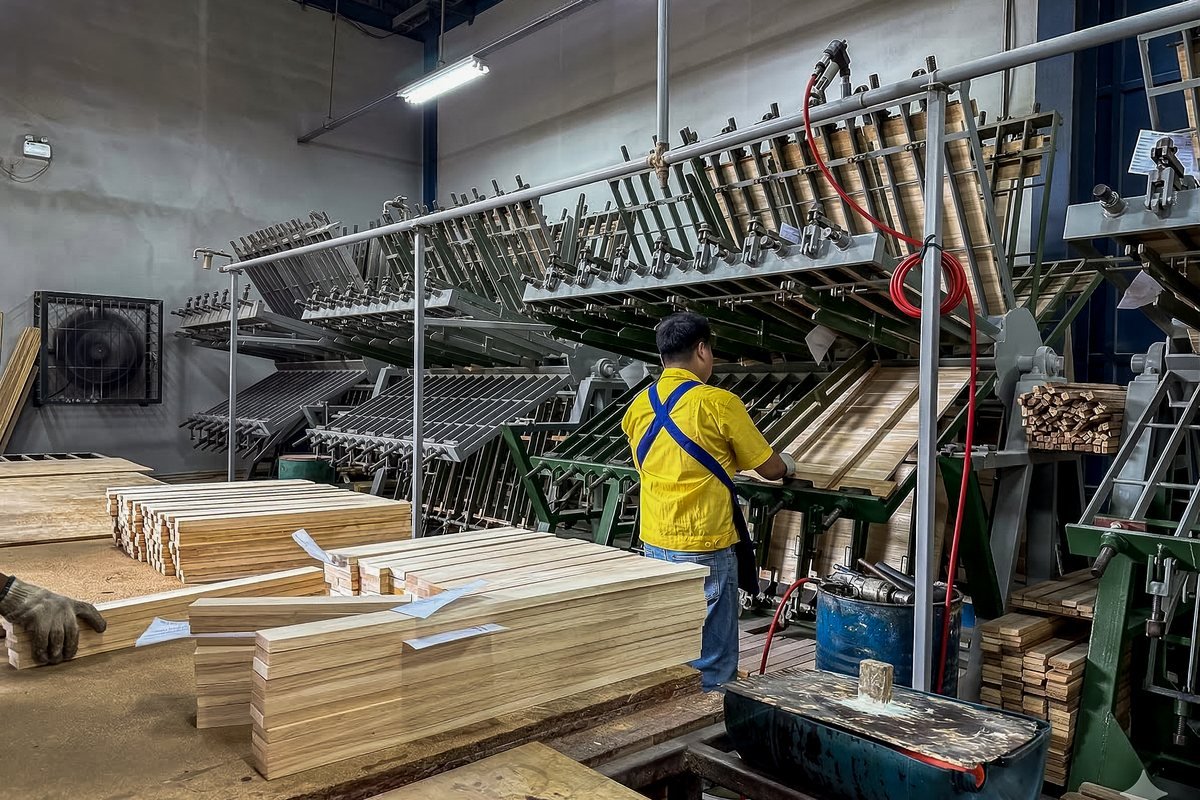
Dried stock is cut, planed and machined to the drawing. Components are checked here rather than at the end, because a dimension that drifted at this stage becomes a joint that does not close two operations later. This is inspection point one of four.
3. Assembly
Frames and carcasses are assembled, largely by hand. Solid wood does not forgive sloppy joinery the way panel construction can, and this is where experienced people earn their money. Assemblies are inspected before they are allowed into the finishing booths.
4. Sanding and finishing
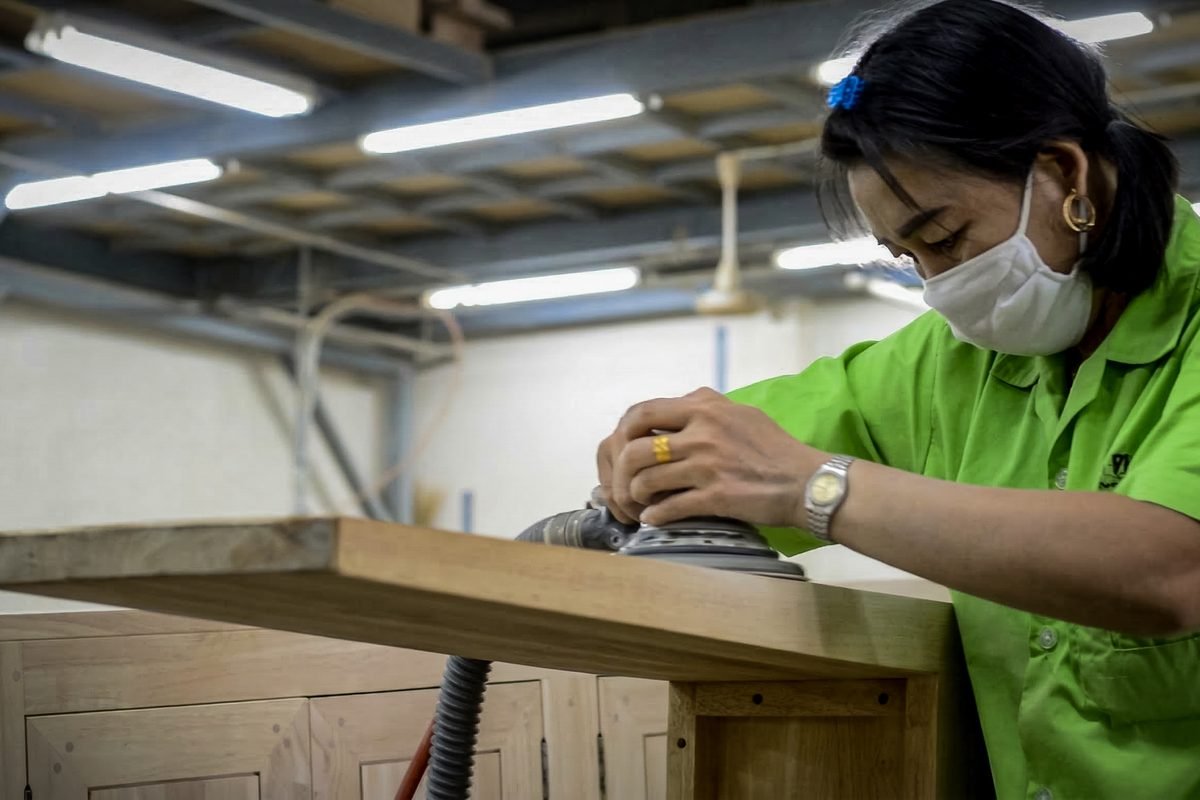
Sanding runs through progressive grits, then the piece is stained, sealed and lacquered to your specification. Finish is the part your customer touches first and judges hardest, so it gets its own inspection before wrapping.
5. First article approval
On a new OEM design, one finished piece goes to you for written approval before the line runs the full quantity. Buyers sometimes treat this as a formality and approve from a photograph. We would rather you were difficult at this stage than disappointed at the port.
6. Packing and container loading
Every finished piece is inspected once more, then wrapped and packed. Containers are stuffed and sealed at our own works, not at a third-party consolidation yard, so what the surveyor counts at the factory is what arrives at your door. From there it is roughly an hour to Laem Chabang.
What you should ask to see
- Kiln readings for your batch
- Photographs at first-article stage, and the physical sample if the programme justifies it
- Loading photographs before the doors close
- The document set your customs broker needs, confirmed before production starts
Any factory confident in its process will hand these over without being chased. Arrange a visit or a live video walkthrough of the drying yard, the machine shop and the finishing line.